Empower a Single Mother & Family in Crisis – Hope & Family Recovery
by VILLAGE VISION CARE
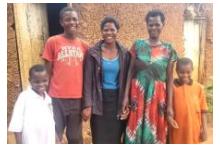
Village Vision Care (VVC) is supporting a vulnerable single mother-led household in Kasubi, Masaka District, Uganda, to transition from extreme poverty to long-term stability and self-reliance.
During the COVID-19 pandemic, the mother was abandoned and left as the sole provider for her four young children. Since then, survival has been her daily struggle. She collects and sells plastic waste, earning less than $0.30 per kilogram, income that is inconsistent and insufficient even for basic daily meals.
Two of her children, Matia (7) and Andrew (5), have never attended school. The older siblings previously enrolled but dropped out due to hunger and lack of fees. The family lost inherited land and now lives in borrowed housing, constantly at risk of eviction.
Without structured intervention, this family remains trapped in generational poverty.
This project combines education access, livelihood development, housing stability, and transitional support to create lasting transformation, not temporary relief.
The Challenge
This household faces multiple, interconnected barriers:
Extreme income instability from informal waste collection
Chronic food insecurity affecting children’s health and learning ability
Two boys who have never accessed primary education
Risk of homelessness due to insecure shelter
No startup capital to build a reliable income-generating activity
Social vulnerability of a single mother without extended family support
Poverty here is not just lack of money, it is lack of opportunity, stability, and protection.
Without timely intervention, the children are at high risk of long-term school exclusion, child labor, and continued dependency.
Our Structured Recovery Plan
Village Vision Care will implement a carefully phased empowerment strategy:
1. Education Access & Retention
Enroll Matia and Andrew in primary school
Provide uniforms, books, school supplies, and registration fees
Cover initial tuition requirements
Conduct monthly follow-ups to monitor attendance and performance
Education is the foundation of long-term poverty reduction.
2. Livelihood Development
Provide startup capital for a small local restaurant business
Supply essential equipment (cooking utensils, startup stock, basic furniture)
Offer business guidance and budgeting support
Support local supplier connections
A small restaurant business was selected because it provides daily cash flow and serves a constant local demand.
3. Housing Stability
Support secure rental arrangement or land deposit
Reduce risk of eviction and displacement
Provide basic household stability
Security of shelter allows the family to focus on income and education rather than survival.
4. Transitional Basic Support
Three months of food assistance during business startup
Hygiene and health essentials
Safety tools for plastic recycling activities
This ensures stability during the recovery period and prevents business capital from being diverted to emergency needs.
Expected Outcomes (12–24 Months)
Two children enrolled and consistently attending school
Household income stabilized through daily business operation
Reduced dependency on emergency food assistance
Improved nutrition and living conditions
Secure housing arrangement
Increased dignity and self-confidence of the mother
Household transitions from crisis survival to economic participation
This intervention shifts the family from vulnerability to productivity.
Budget Breakdown
Children’s Sponsorship – $450
Food Support (3 months) – $450
Household Essentials – $200
Mother’s Startup Capital – $750
Land / Shelter Support – $1,000
Health & Hygiene Support – $250
Clothing & Bedding – $1,000
Plastic Recycling Safety Tools – $100
Emergency & Transport Reserve – $250
Total Estimated Budget: $4,450
Every dollar directly supports measurable recovery milestones.
Why This Investment Matters
Supporting this household creates measurable ripple effects:
Prevents permanent school exclusion
Reduces likelihood of child labor
Promotes women-led economic empowerment
Builds household resilience against future shocks
Demonstrates a replicable poverty-transition model
Rather than repeated emergency aid, this project builds self-sustaining capacity.
When one mother becomes economically stable, four children gain educational continuity, and a community gains productivity.
Monitoring, Reporting & Accountability
Village Vision Care will implement:
Monthly household visits
School attendance tracking
Business performance monitoring
Financial documentation with receipts
Photo updates (with consent)
Structured donor progress summaries
Donors will receive milestone-based updates highlighting tangible progress.
Transparency and accountability are central to our work.
Sustainability Strategy
The small restaurant model is designed to generate consistent daily income sufficient to cover:
Food
School fees
Rent
Basic health needs
Once operational, the family is expected to sustain itself independently without further emergency intervention.
The objective is economic independence, not prolonged aid dependency.
Risk Mitigation
Potential risks include market competition, price fluctuations, or temporary school interruptions.
Mitigation measures include:
Basic business mentoring
Supplier diversification
Close collaboration with school administrators
Gradual scaling of business inventory
The phased approach reduces financial and operational risk.
Call to Action
Your support does more than provide relief, it restores dignity, opportunity, and stability to a family on the edge of collapse.
With structured intervention, this household can move from survival to self-reliance within two years.
Together, we can prevent generational poverty and create sustainable transformation, one family at a time.